Overview
Setting: The survivors have heard that there were remnants of the army at the town’s train station.
Platform: Windows PC
Engine: Source Engine
Tools Used: Valve Hammer Editor
Completion: 10/28/18
Team Size: 1
Number of Maps: 4
Role: Concept, Greyboxing, Prop and Texture Placement, Lighting, Pathing/Navmesh placement, Pacing, Scripting
Download Options:
Level Layout
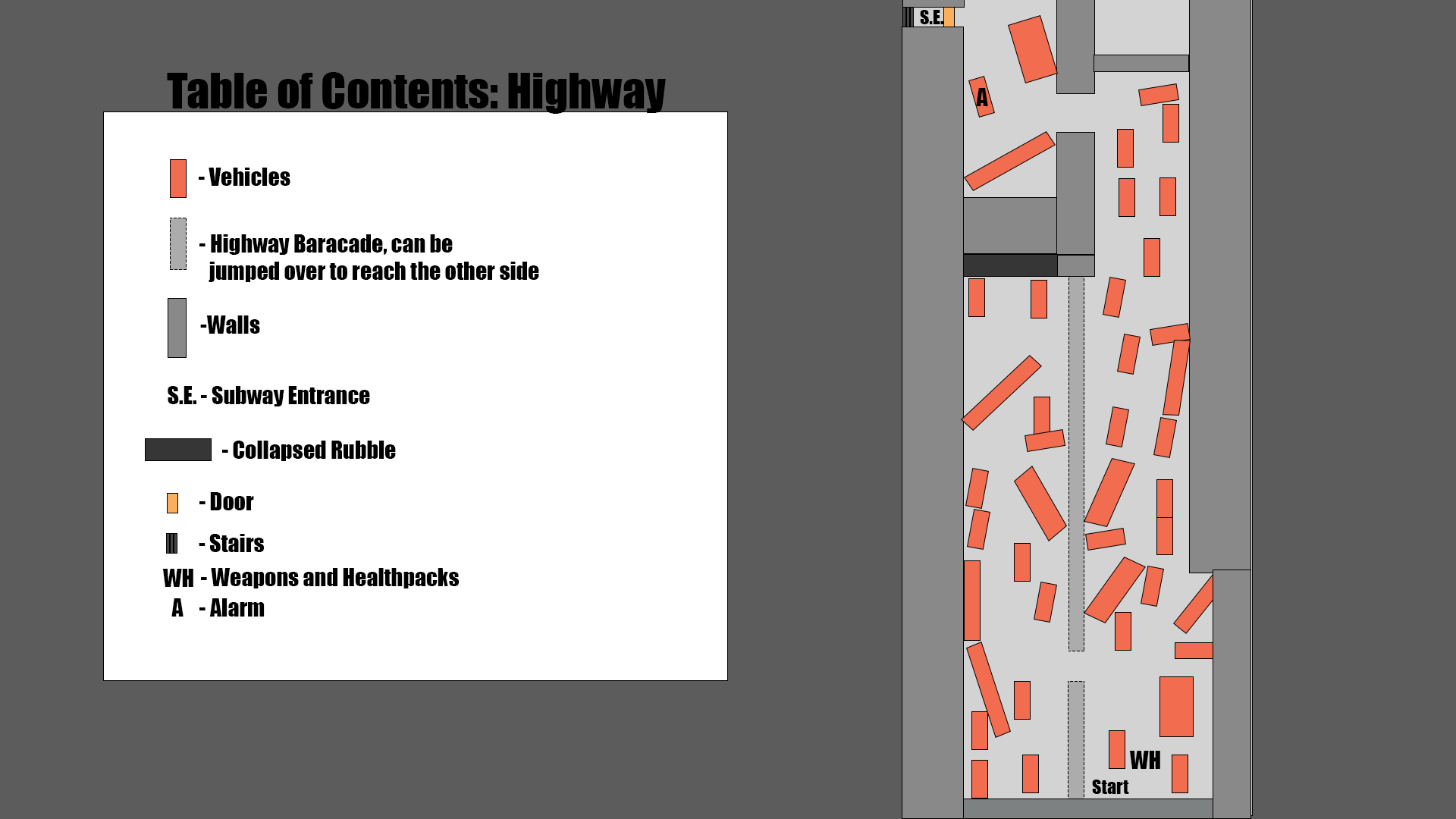
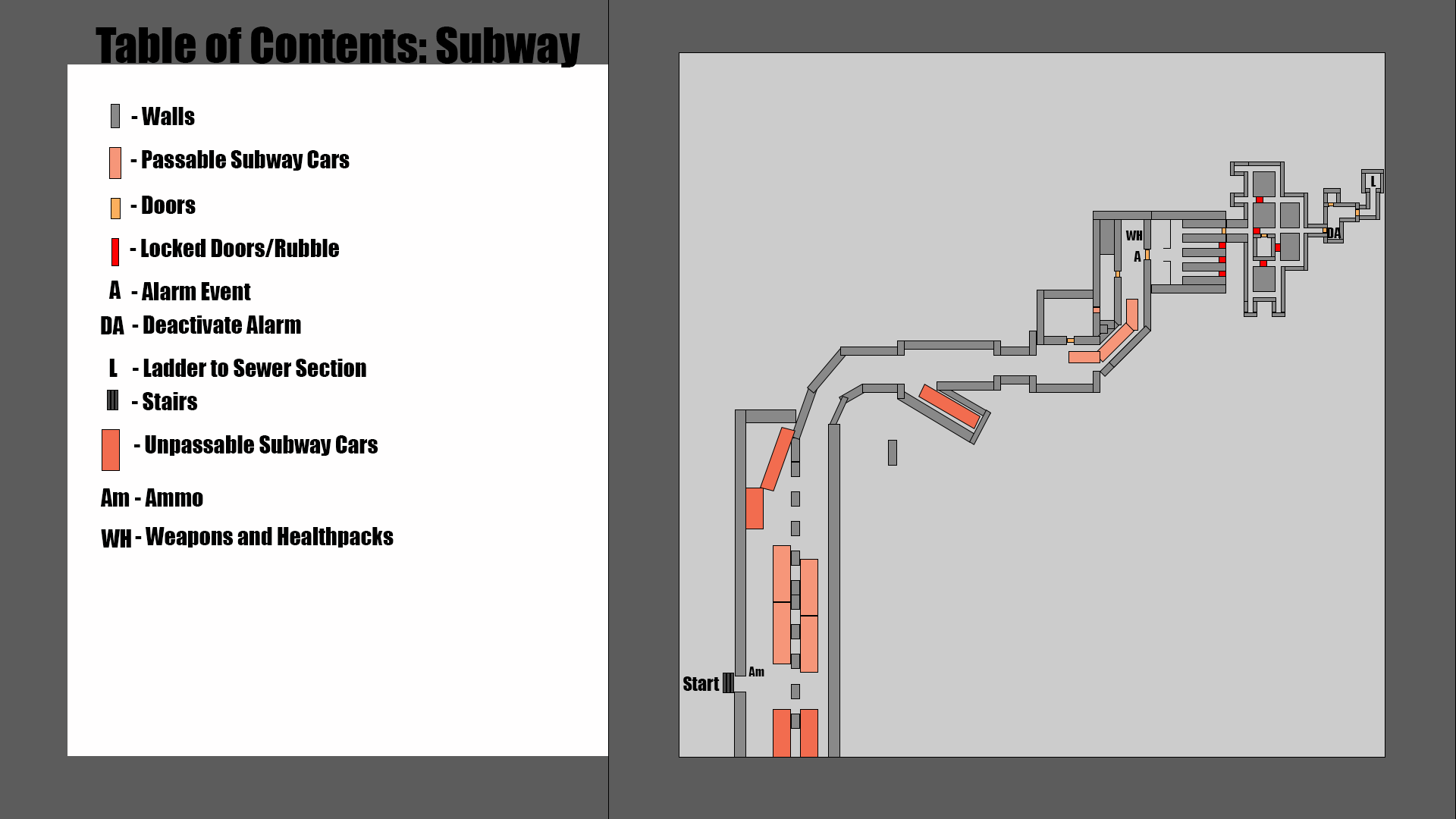
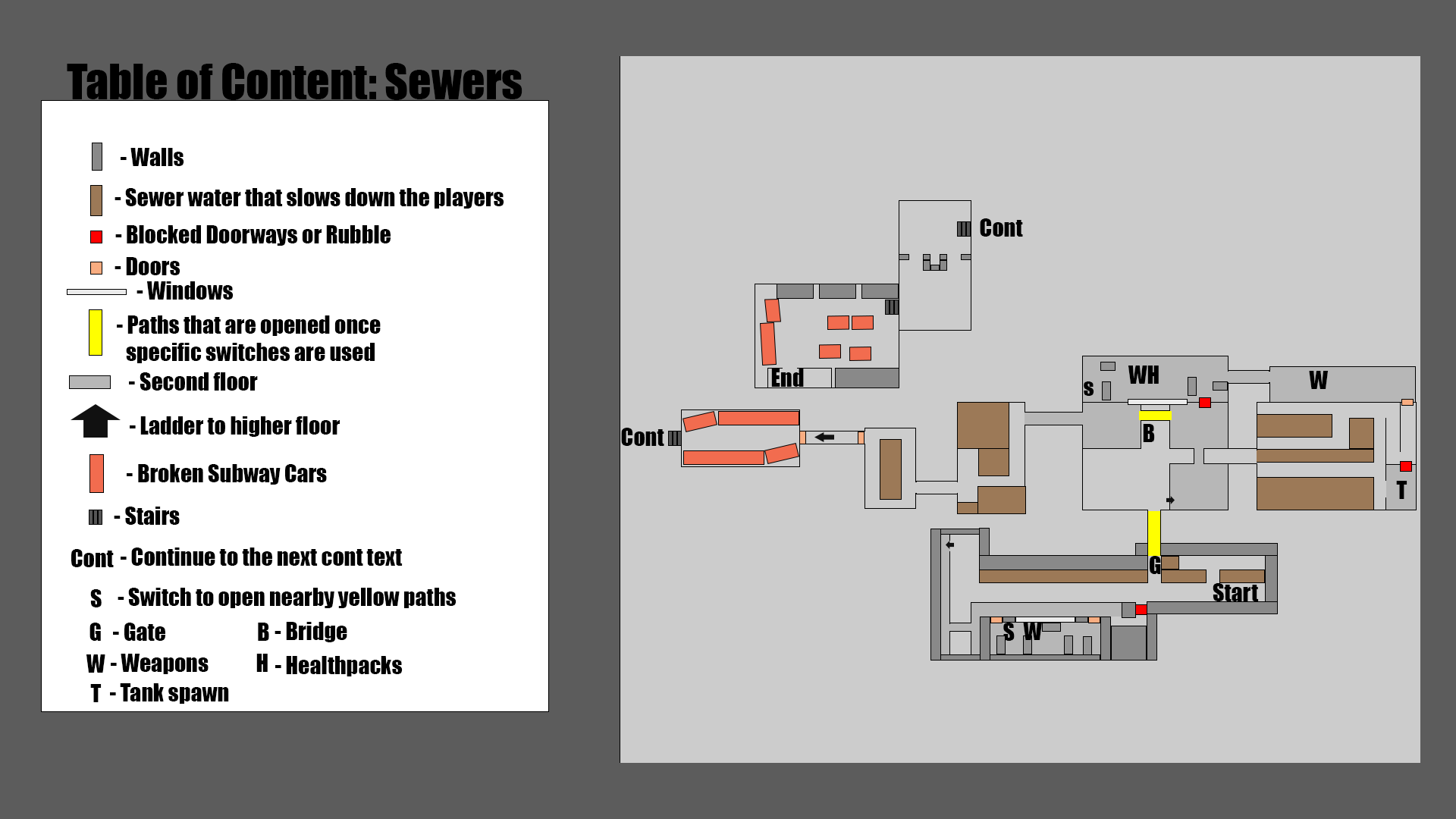
Ideas and Thought Process
This campaign is composed of four maps with each map having its own theme. The themes would be a cabin in the woods, freeway/subway tracks/sewer, city, and train station. The story would have the survivors start in the woods and find information that the army could be at a close-by town waiting for survivors to reach its train station. The survivors would travel to the town and reach the train station to escape.
This is my thought process for map 2 of this 4 map campaign.
This is actually the first map that I started working on for the campaign. Originally, I did not have a concrete idea for the entirety of the campaign but I did know that I wanted a “connector” or connecting area for the survivors to reach the city. I wanted to give the players recognizable elements that they would see in the city. Things like the concrete roads, cars, and train tracks (basically just signs of civilization) would allow the player to recognize that they were slowly heading into the city. I also wanted to show the players the aftermath of the zombie outbreak from outside to inside the city. So, I decided to make a level around the idea of the survivors ended up on the freeway and heading towards the city. This level is made up of three sections/themes: Freeway, Subway Tunnels, and Sewer.
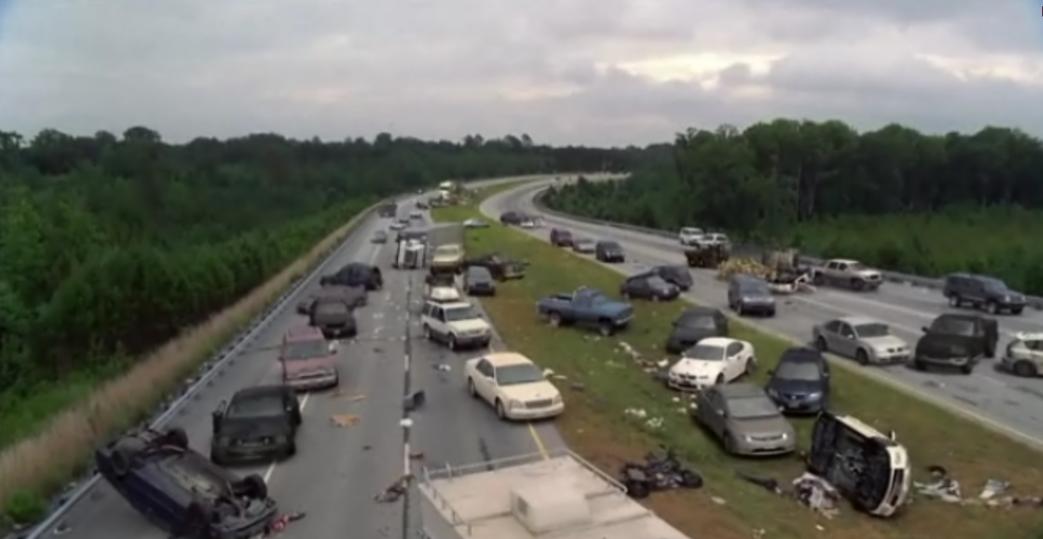
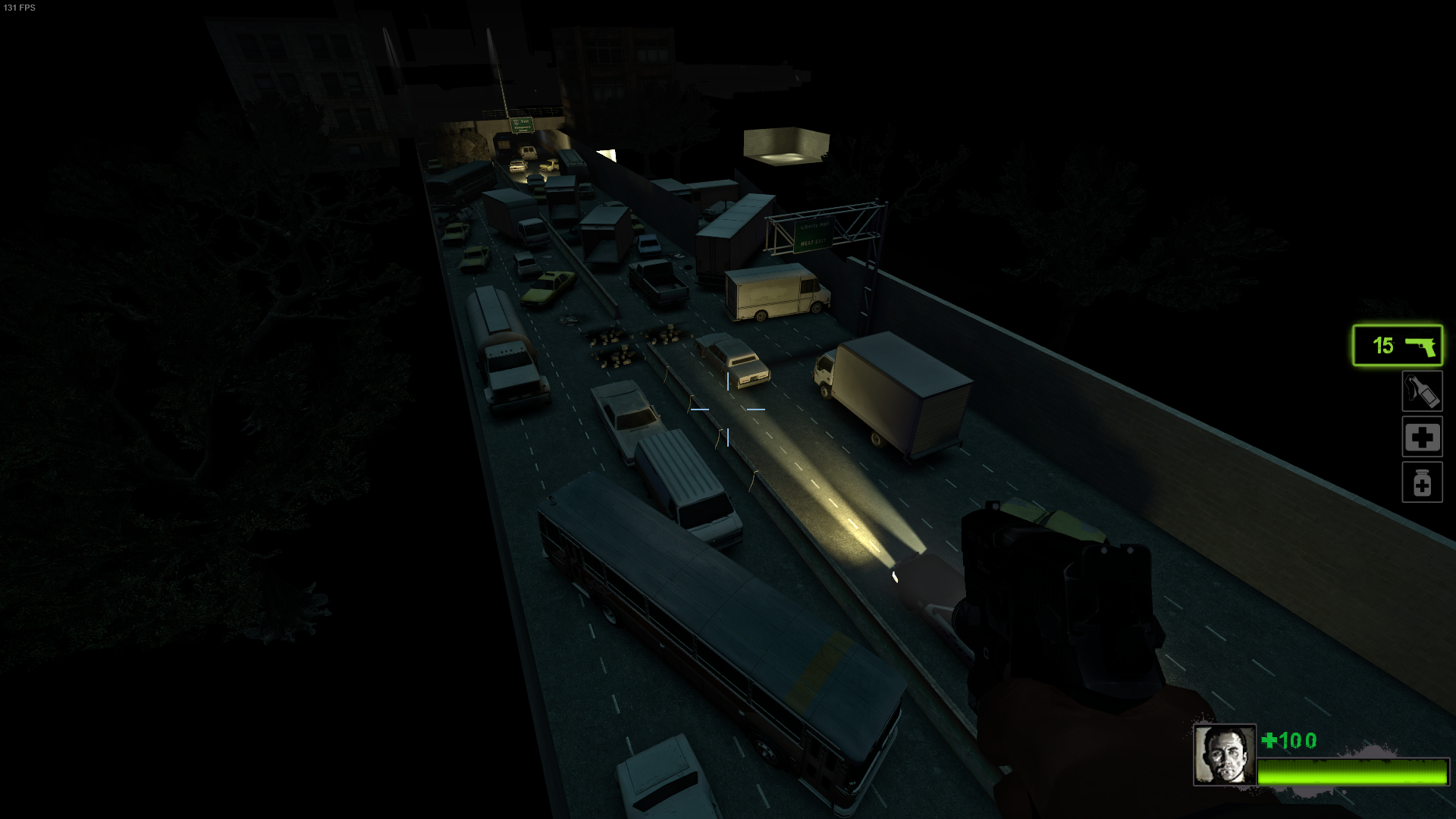
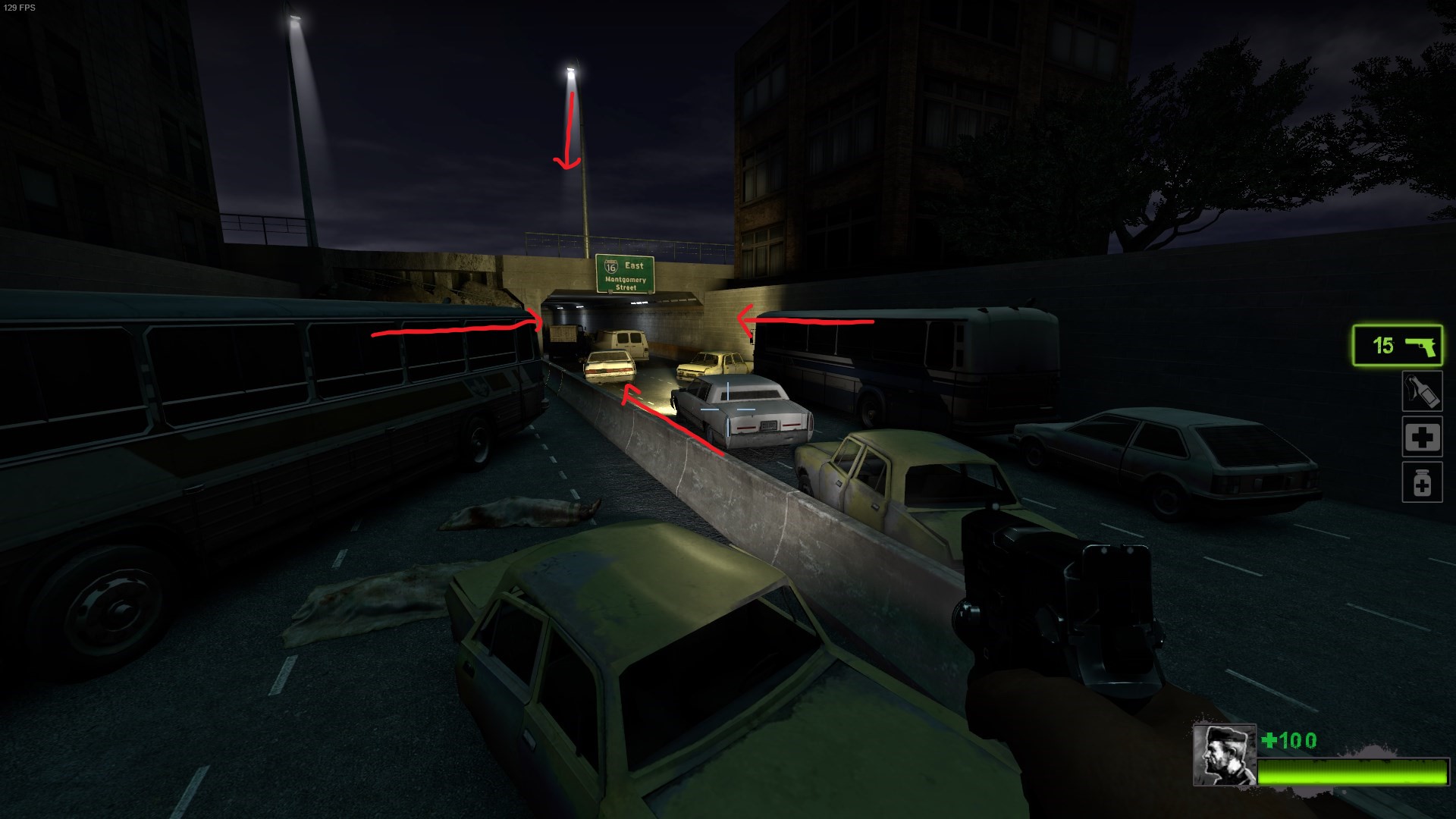
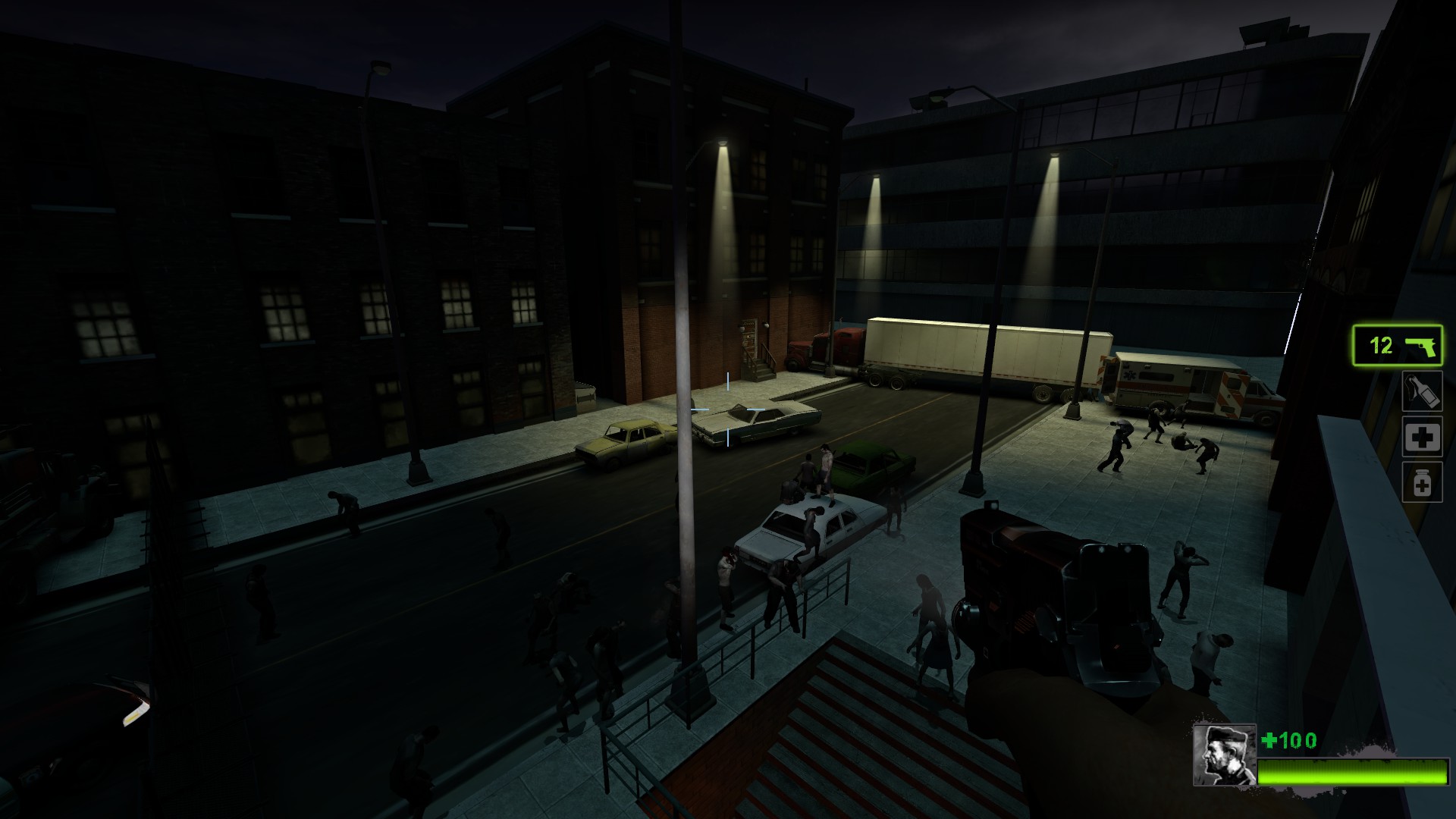
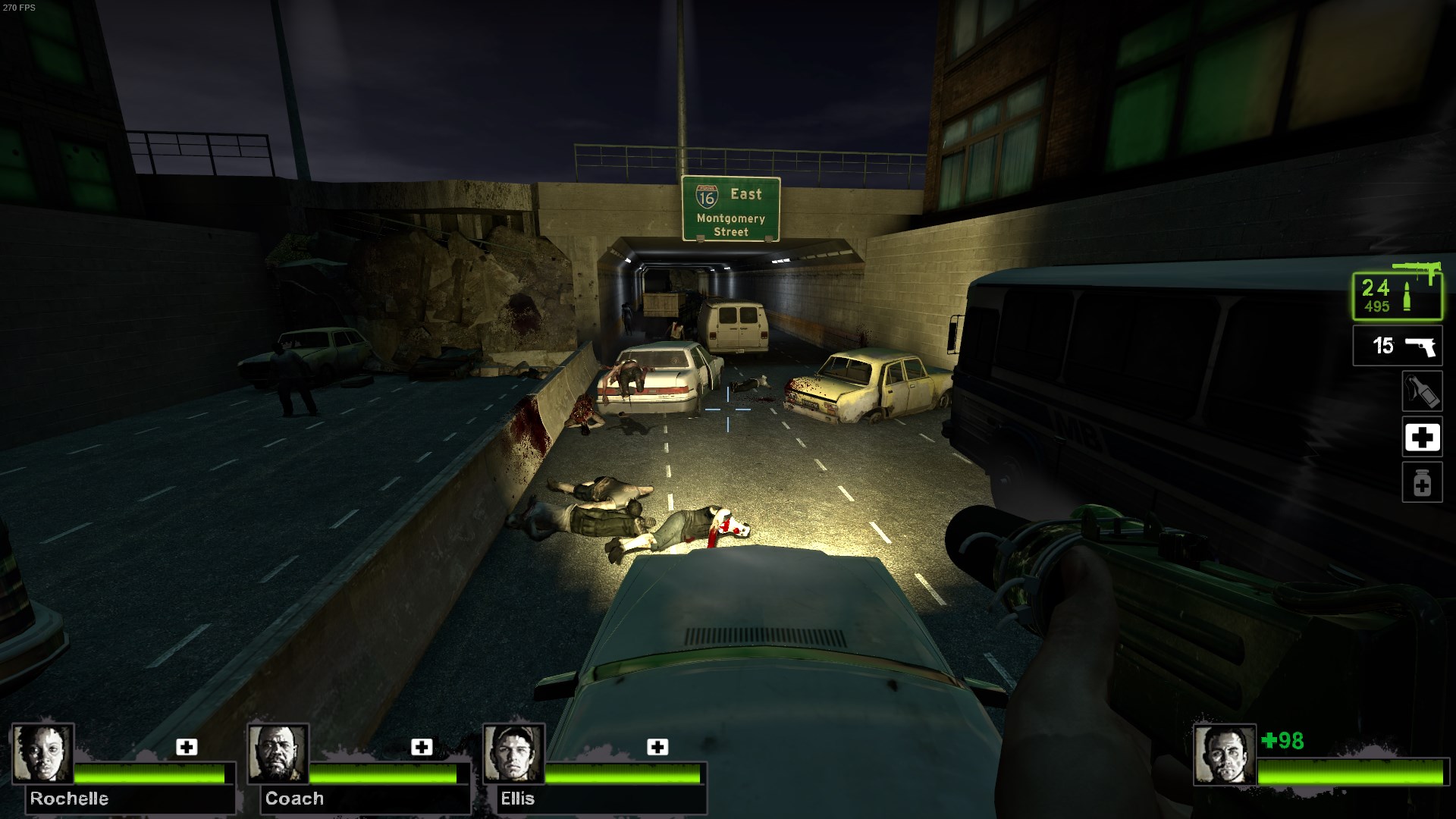
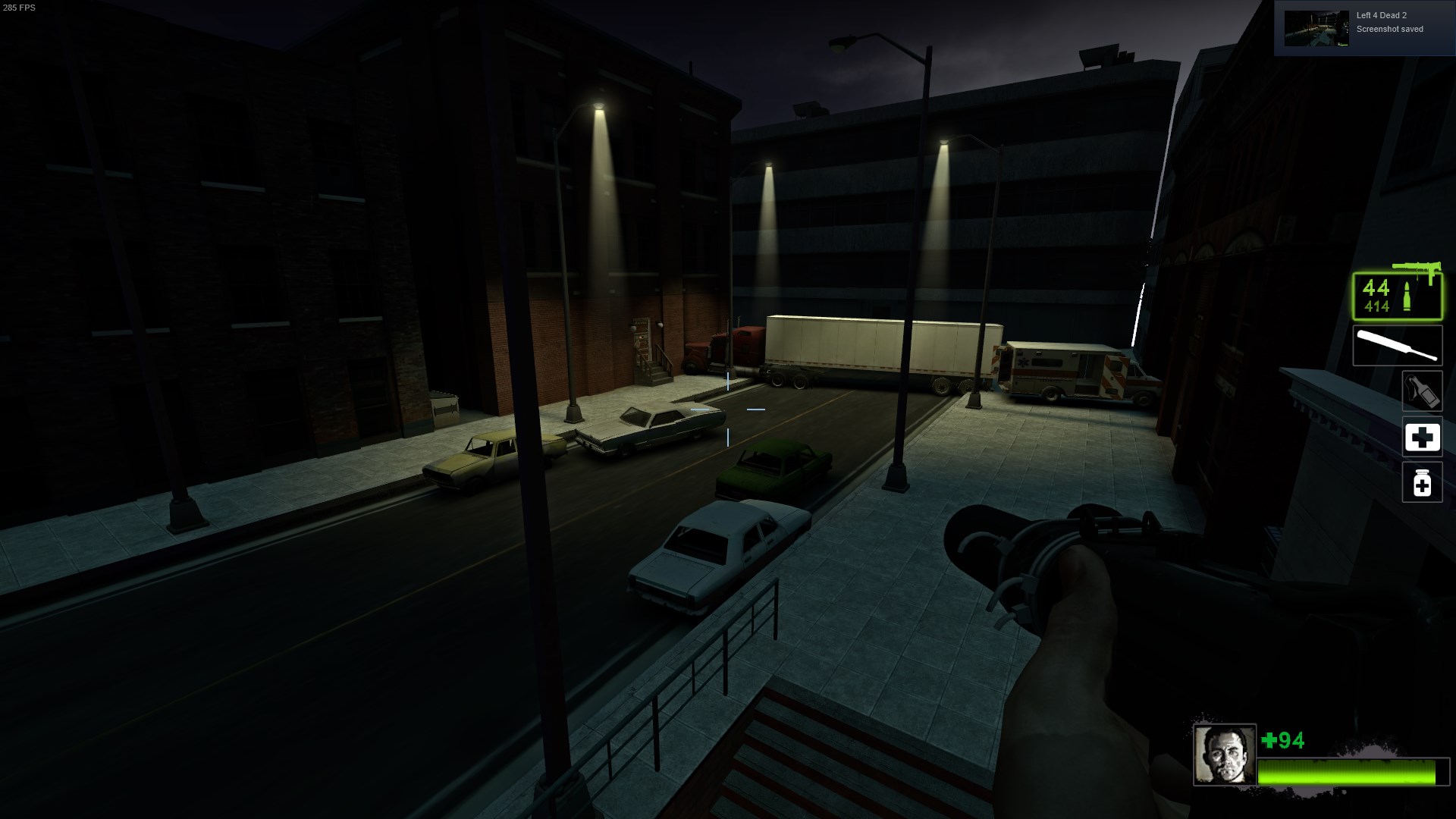
My initial idea for the freeway came from a picture from “The Walking Dead” season 2. It was a picture of an abandoned highway filled with cars. Each car was broken down and the streets filled with various items like towels or briefcases. I sprawled cars across the freeway to show the panic people had during the outbreak. The placement of the cars created multiple paths and “drew” lines that pointed toward the freeway tunnel. Near the entrance of the freeway tunnel, I created lights that point inside the freeway tunnels from an abandoned car to let the players know that they were on the right path.
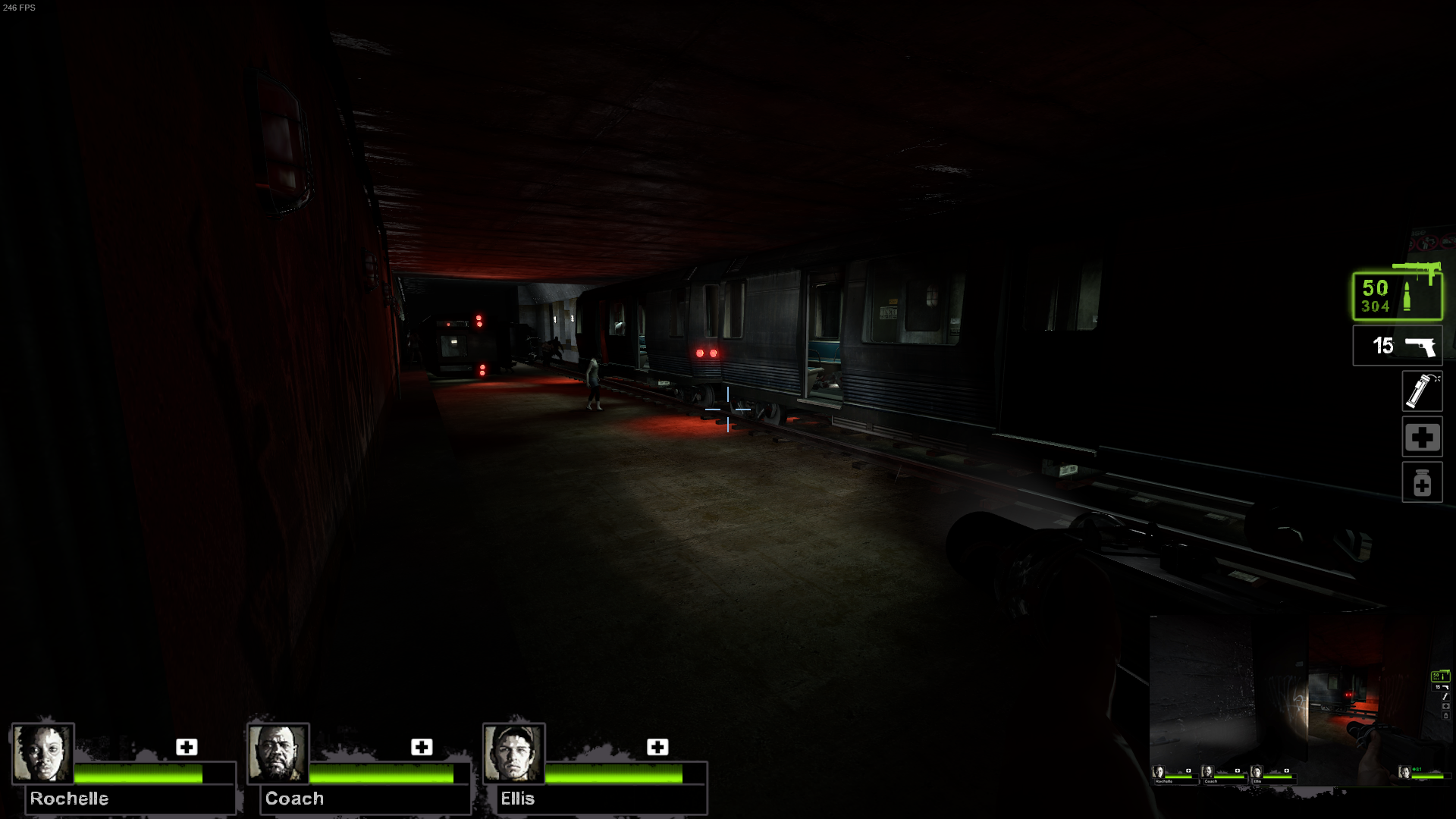
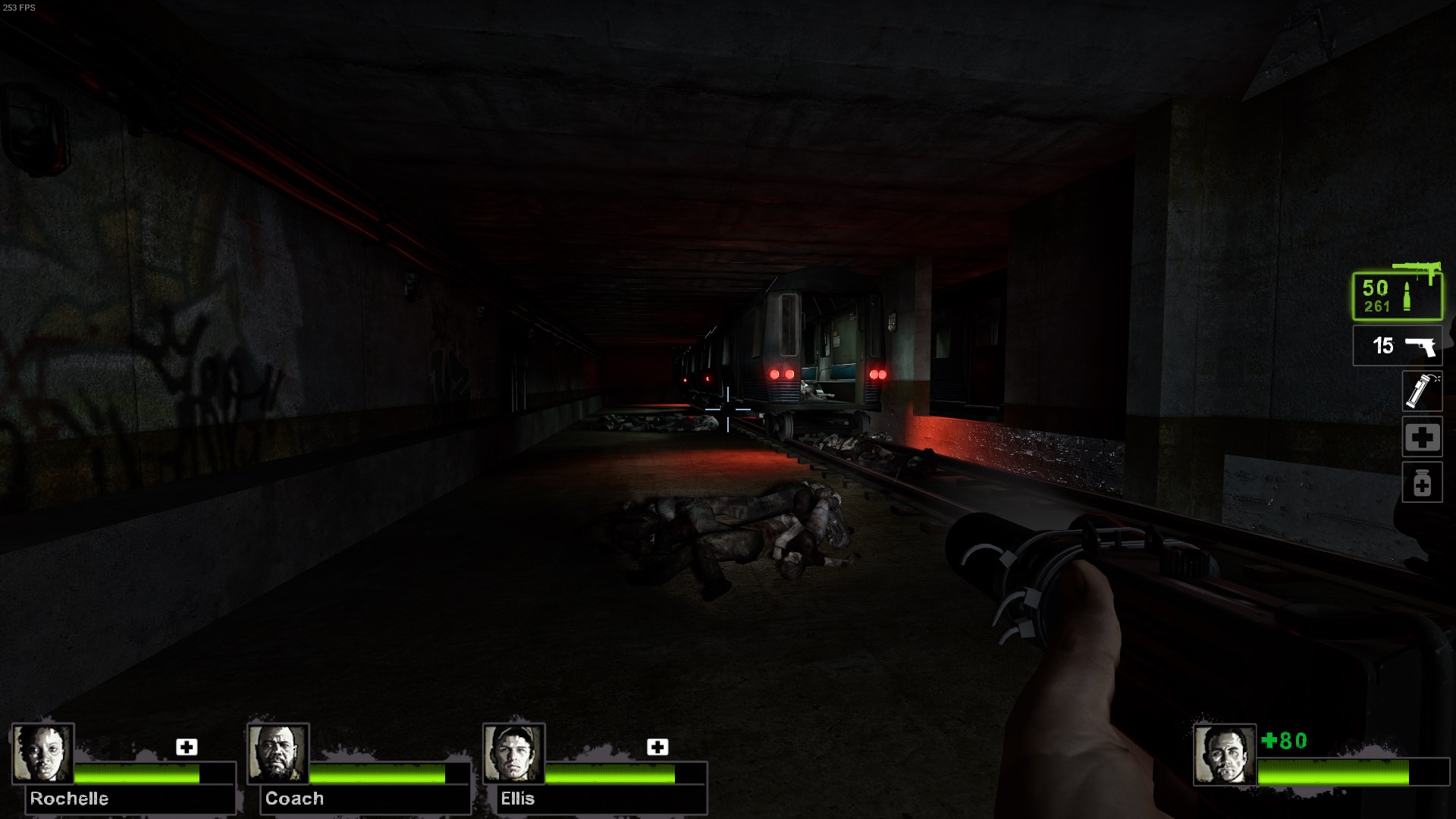
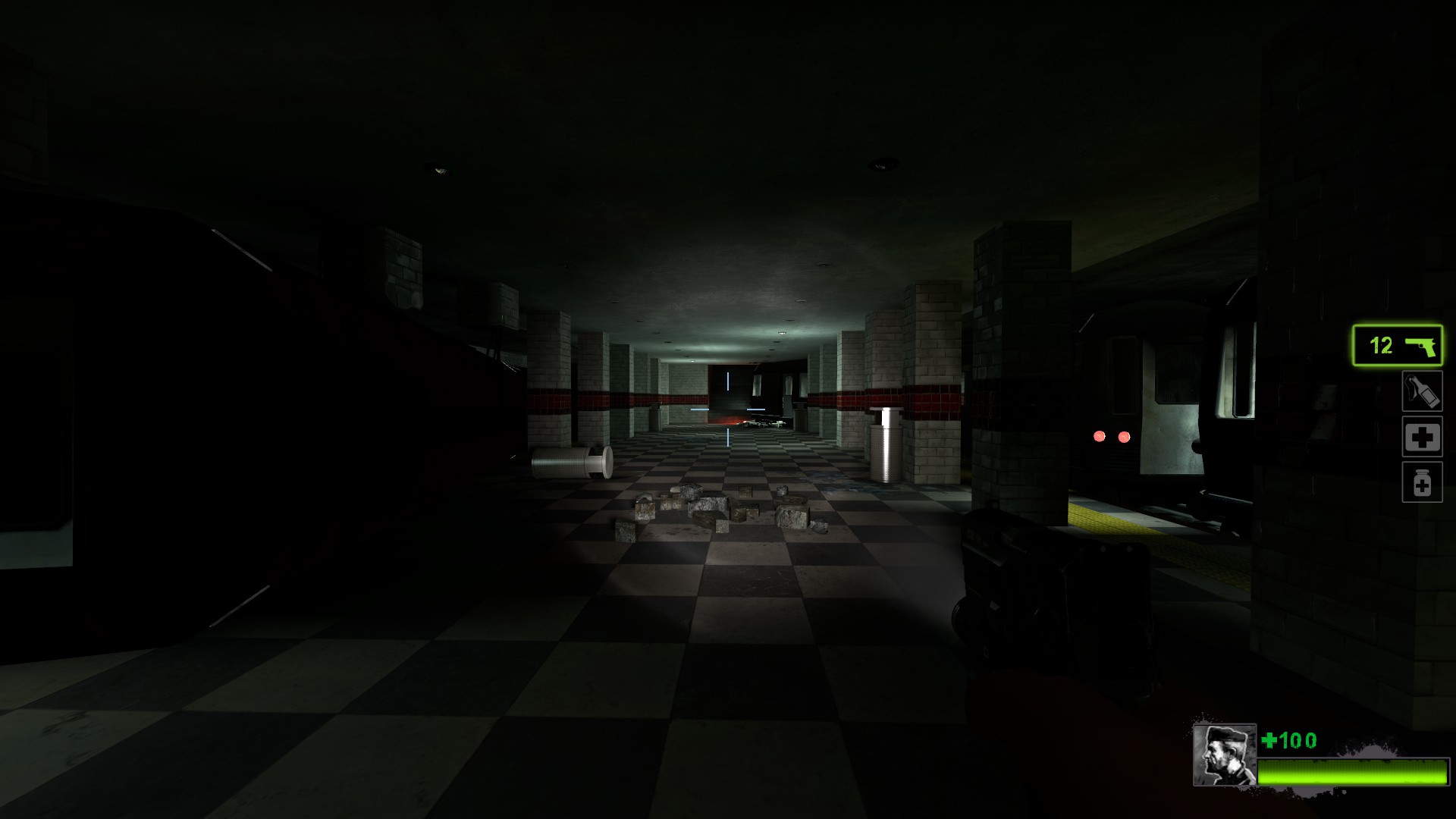
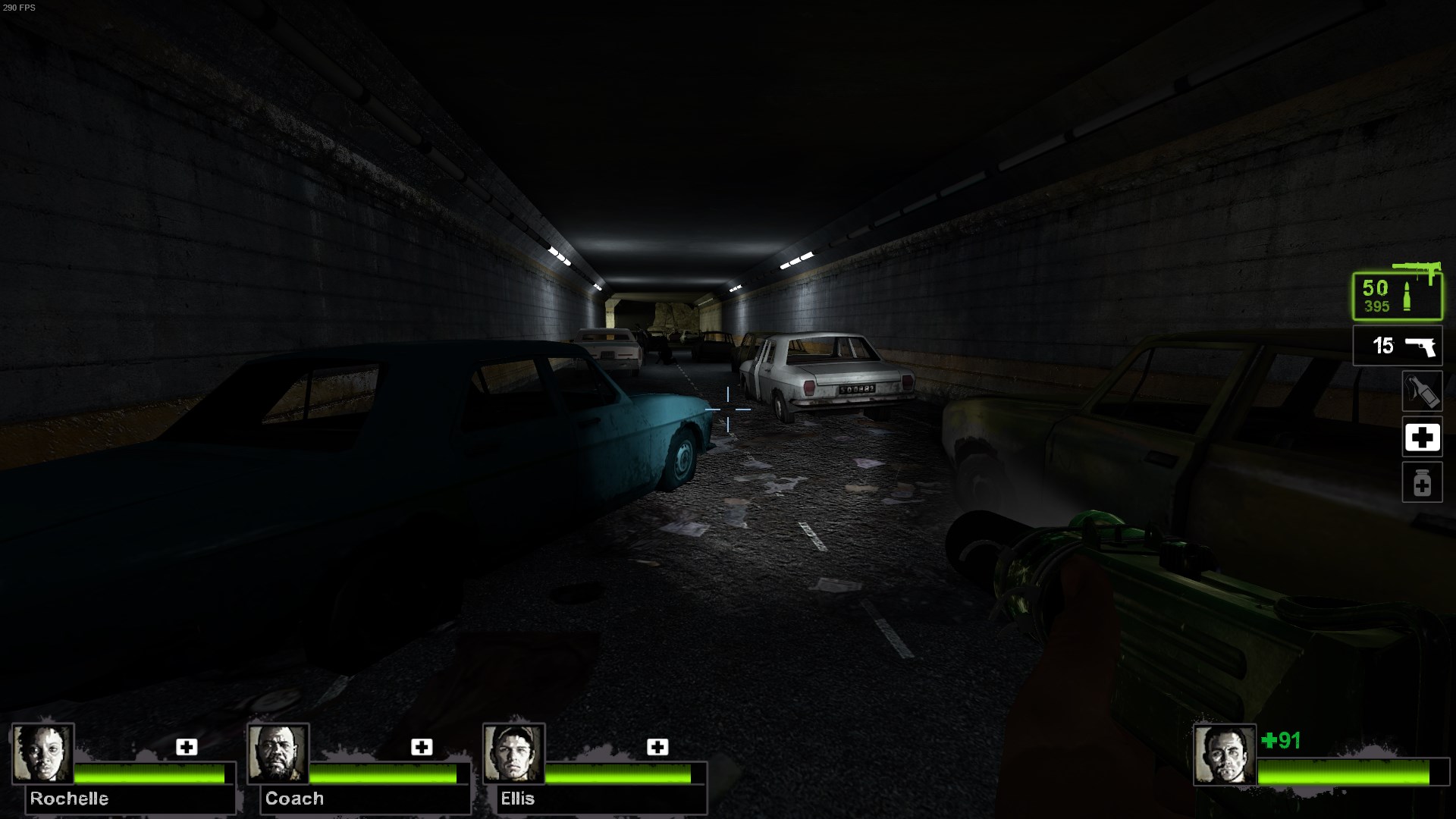
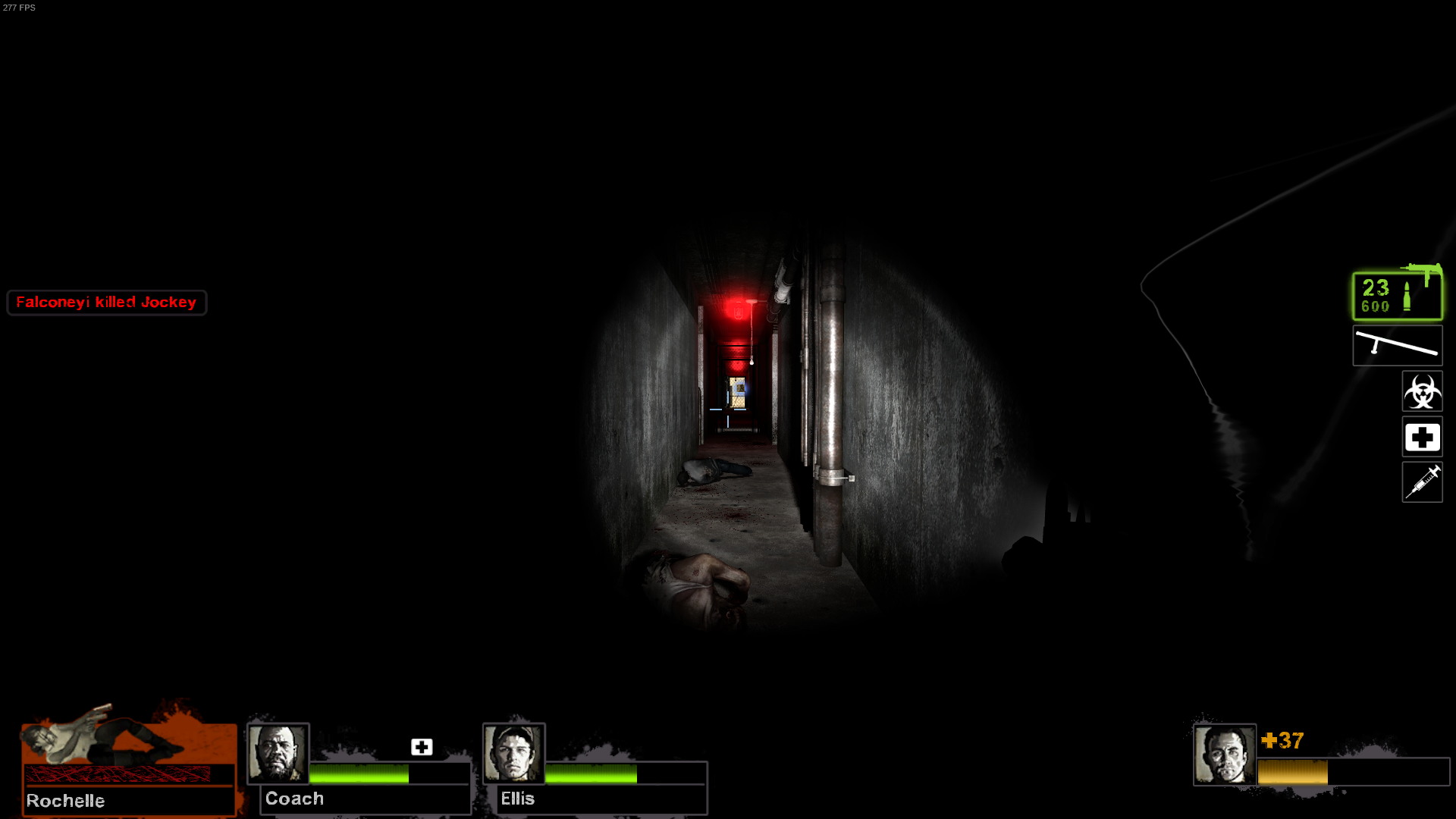
One of the main things that I wanted to practice was using lighting to guide the player to where I want them to be and the subway section allowed me to practice that. The subway tunnels section is dark and has very few light sources, this allowed me to use light sources to draw the player’s attention and have them follow the lights to progress. Yellow and white fluorescent lights attracted players and lead them on the correct path while red lights deterred players from going toward it. The subway section is very tight and compact. Broken down subway cars block and creates narrow paths. The narrow and tight paths of the subway cars also created choke points for the survivors to use against the zombies. There was also a “secret” path before the end of the subway section that allowed the players to sneak by the zombies and skipping a potential ambush point.
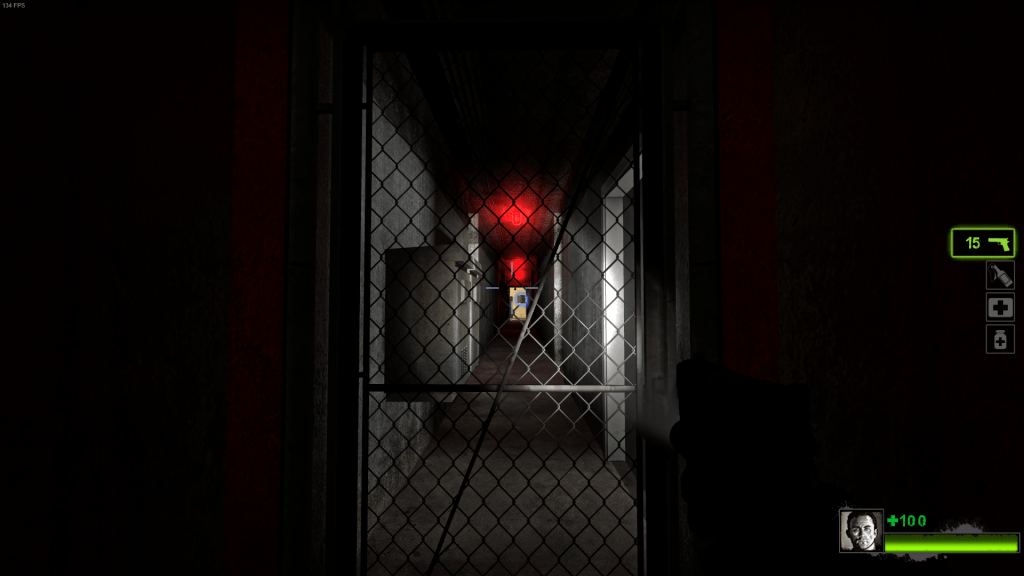
At the end of the subway section, I created a panic event where the players had to find the correct path. The players would need to unlock a door and this would set off alarms in the immediate area. The lights would be turned off and the only light sources would be the red flashing lights. After passing through the entrance, they would be faced with 4 doors. Only one of them would open and lead into a maze. A blood trail and a pile of bodies would lead the players to the correct doorway.
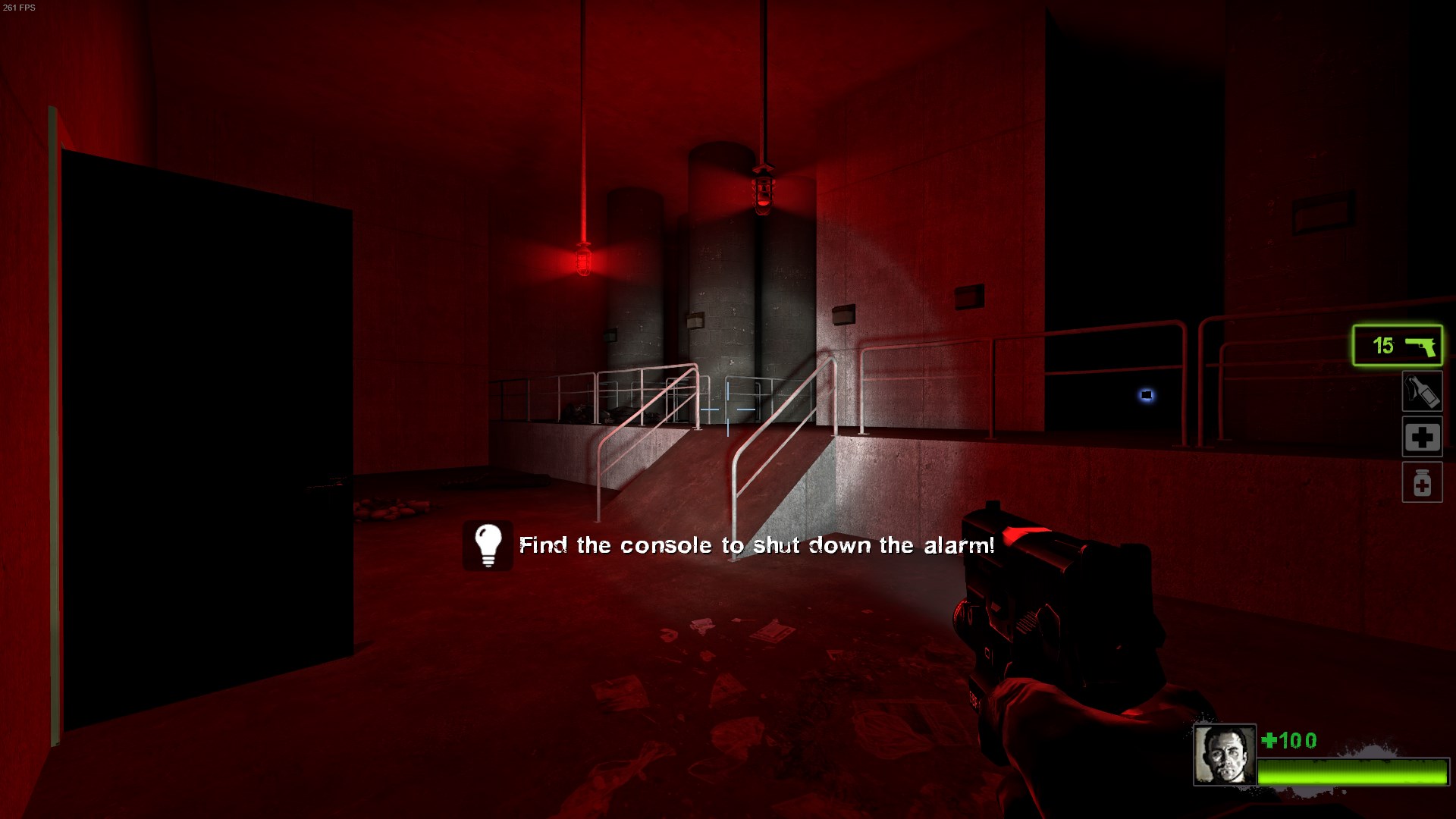
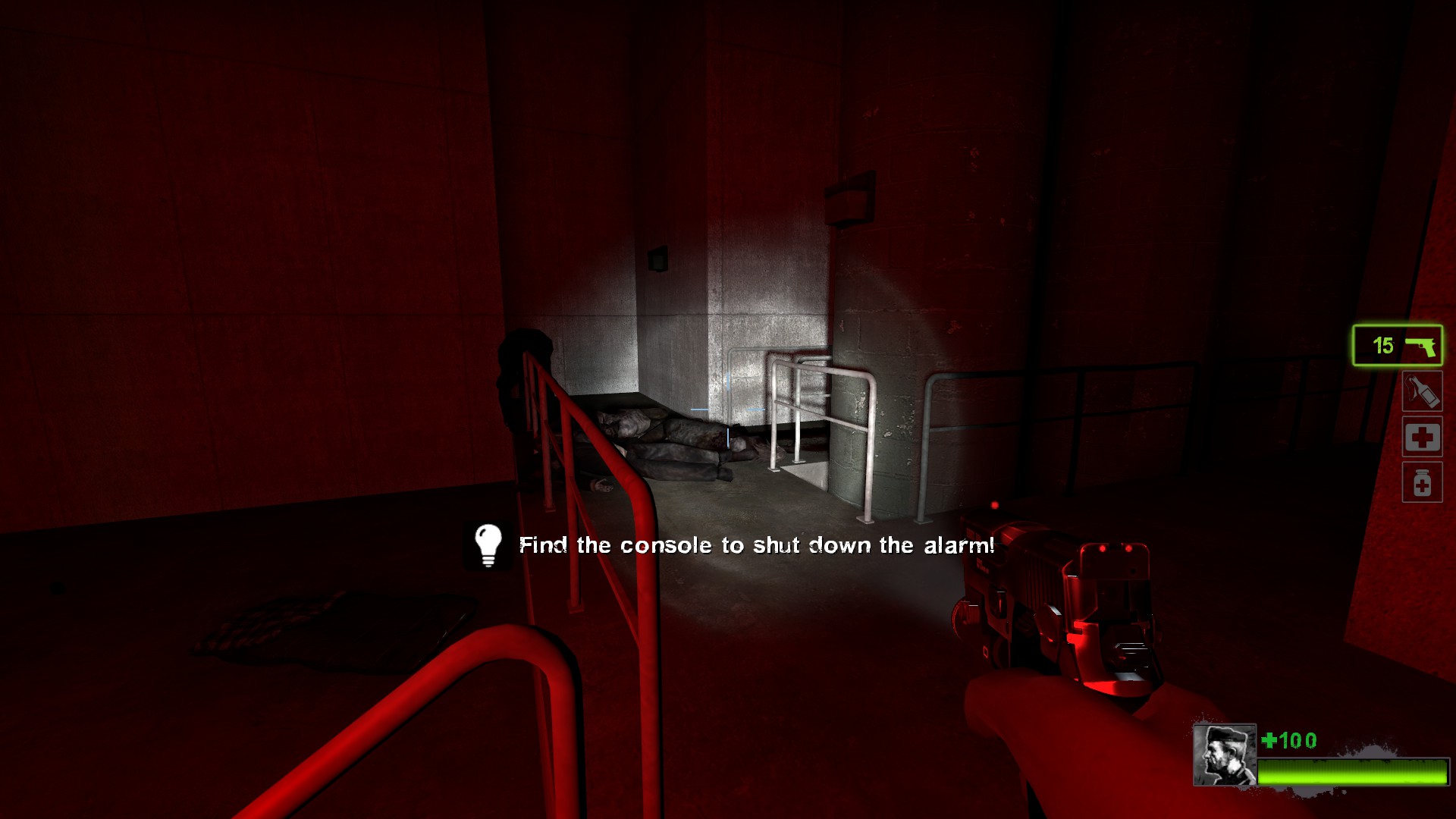
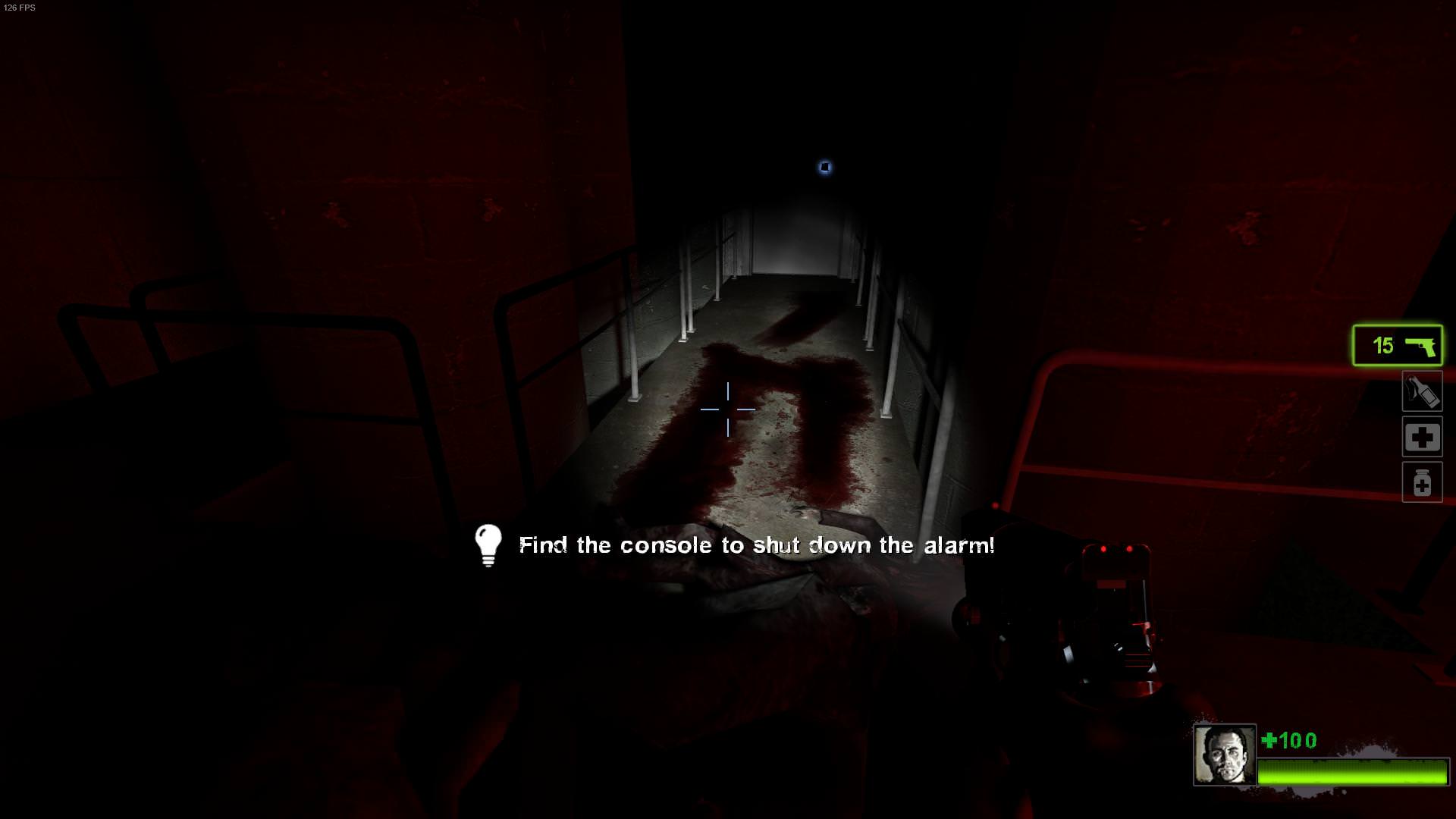
As the players would enter the right door, their eyes would be directed towards a room with a switch filled a yellow light at the end of the hallway. This room filled with yellow light has the switch to end alarm. I also added in pipes that acted as sightlines towards this room. This line of sight would be seen through a fence, blocking their way forward. I decided against making a complicated maze as the players wouldn’t be able to remember the correct twists and turns of a complex maze while fighting off constant hordes of zombies. Instead, I created a simple maze where if the players stick to the edges of the maze and follow the sightlines made by the pipes, they would easily get to the end of the maze.
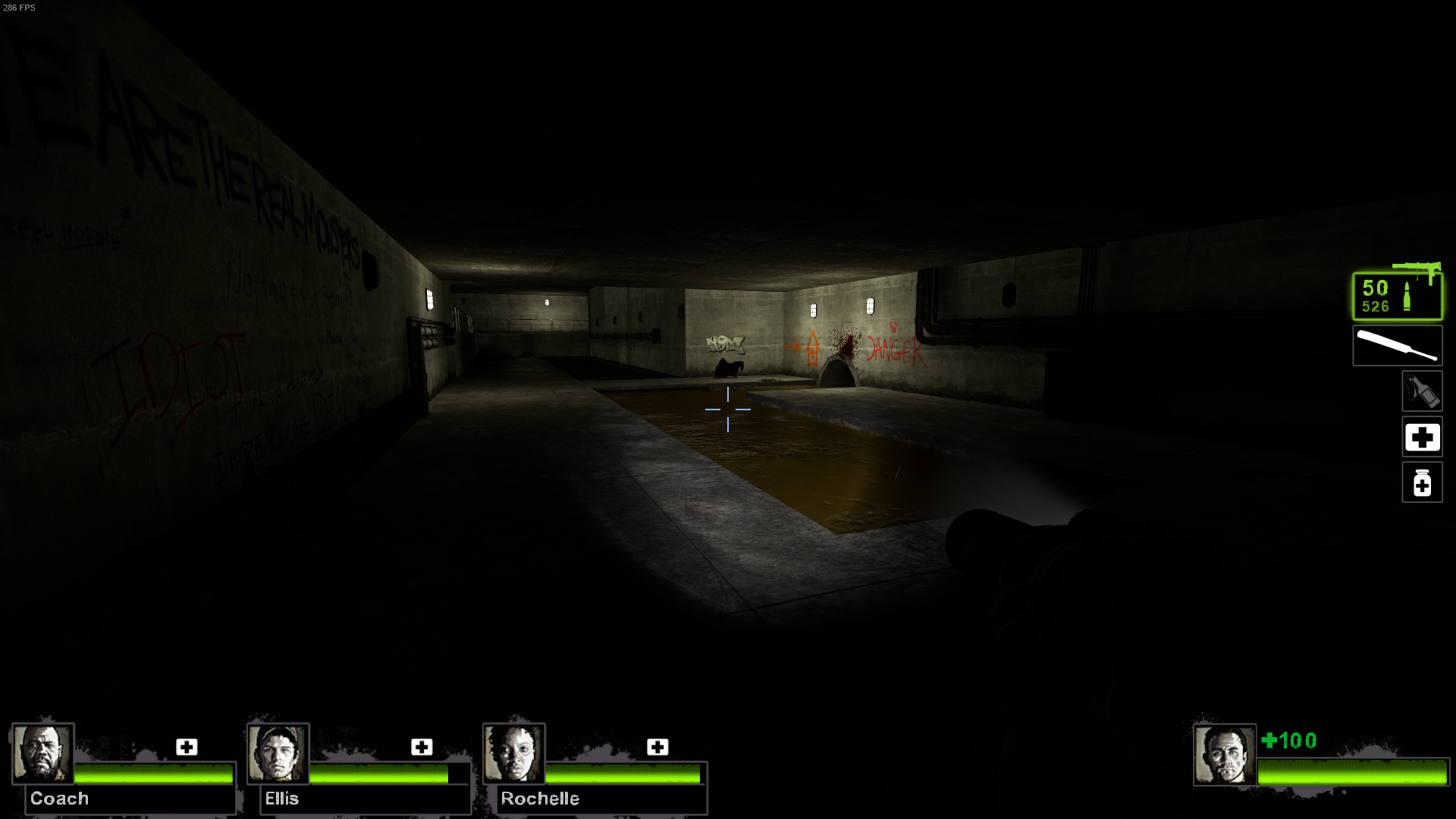
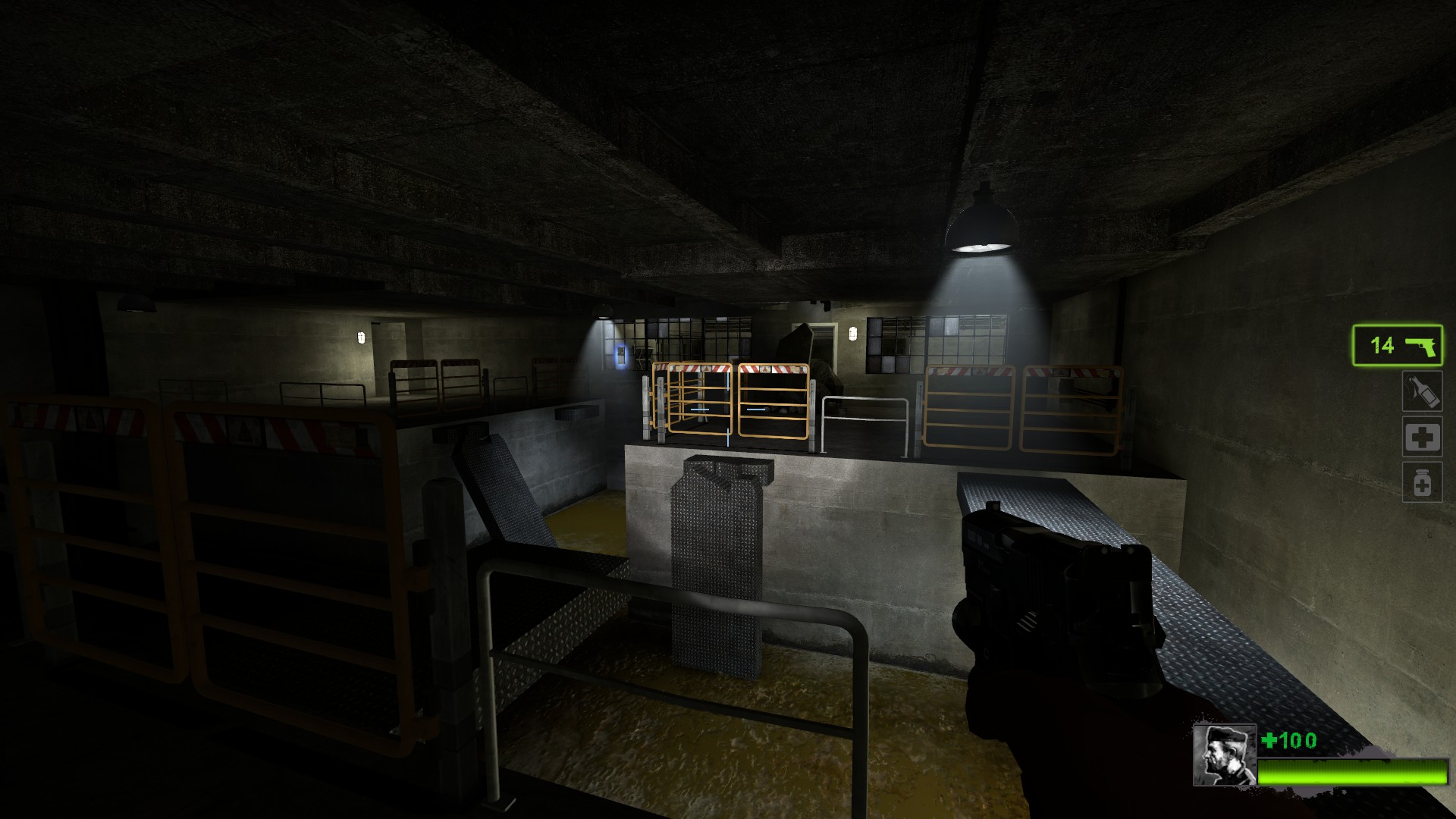
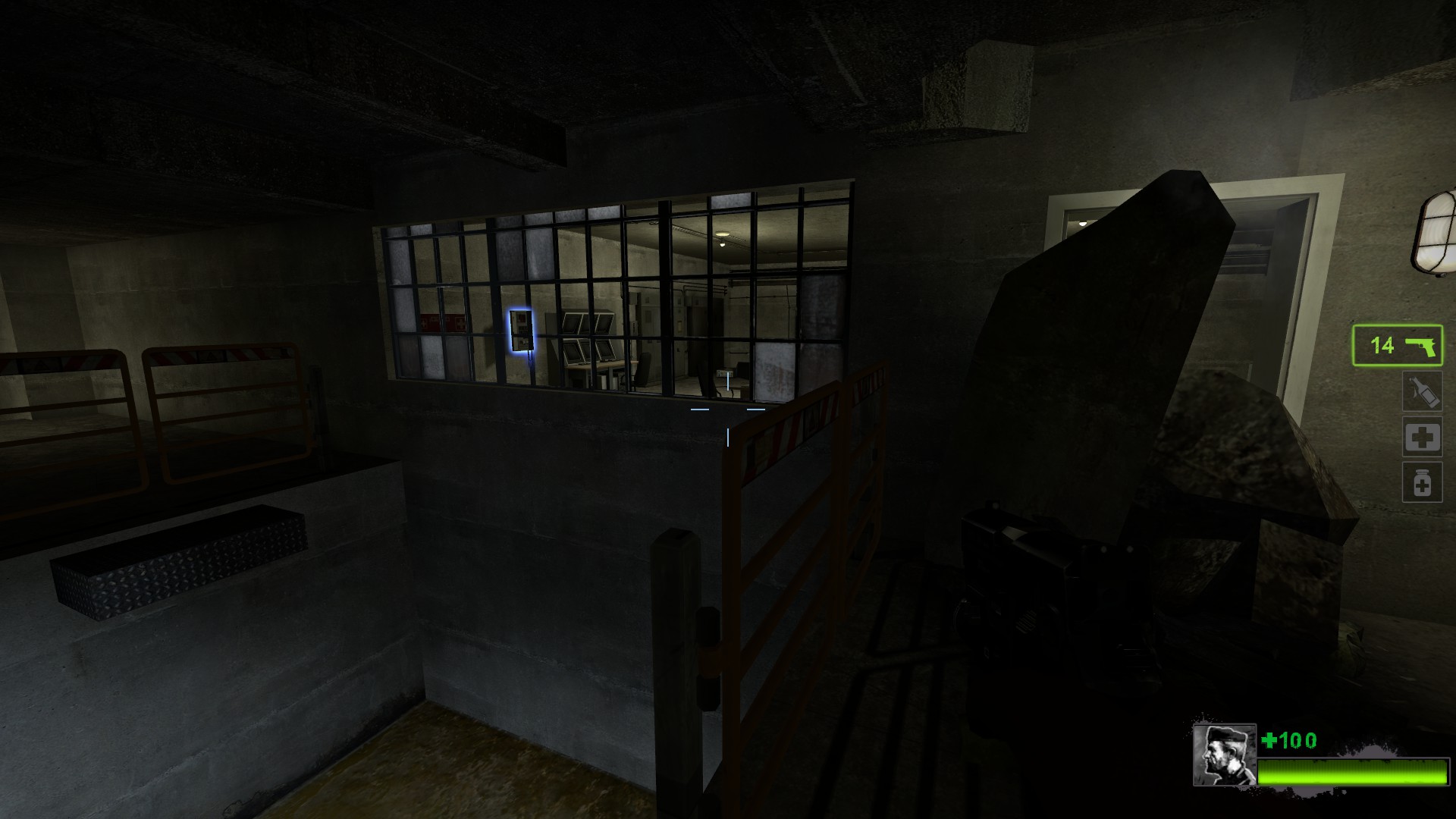
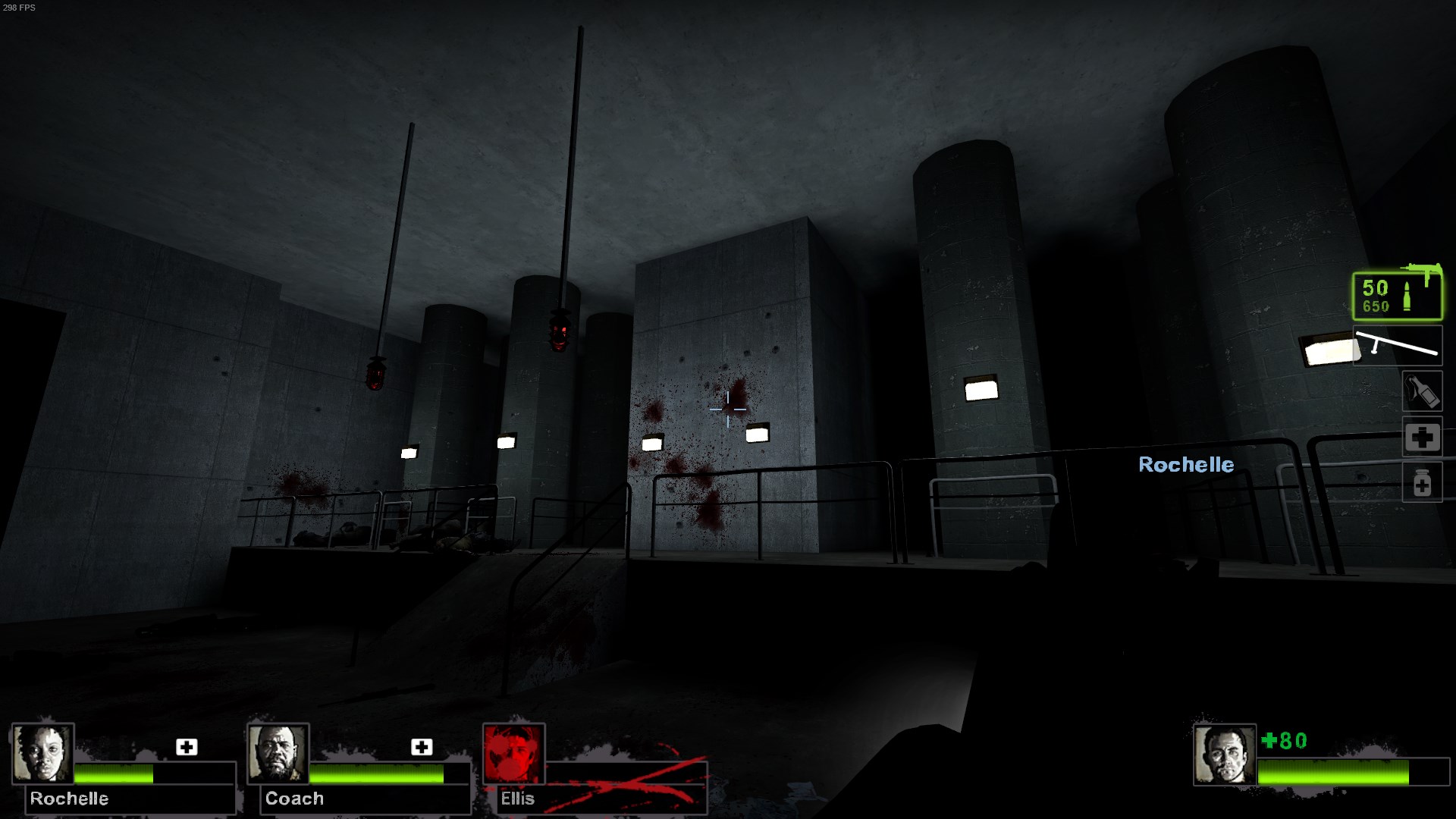
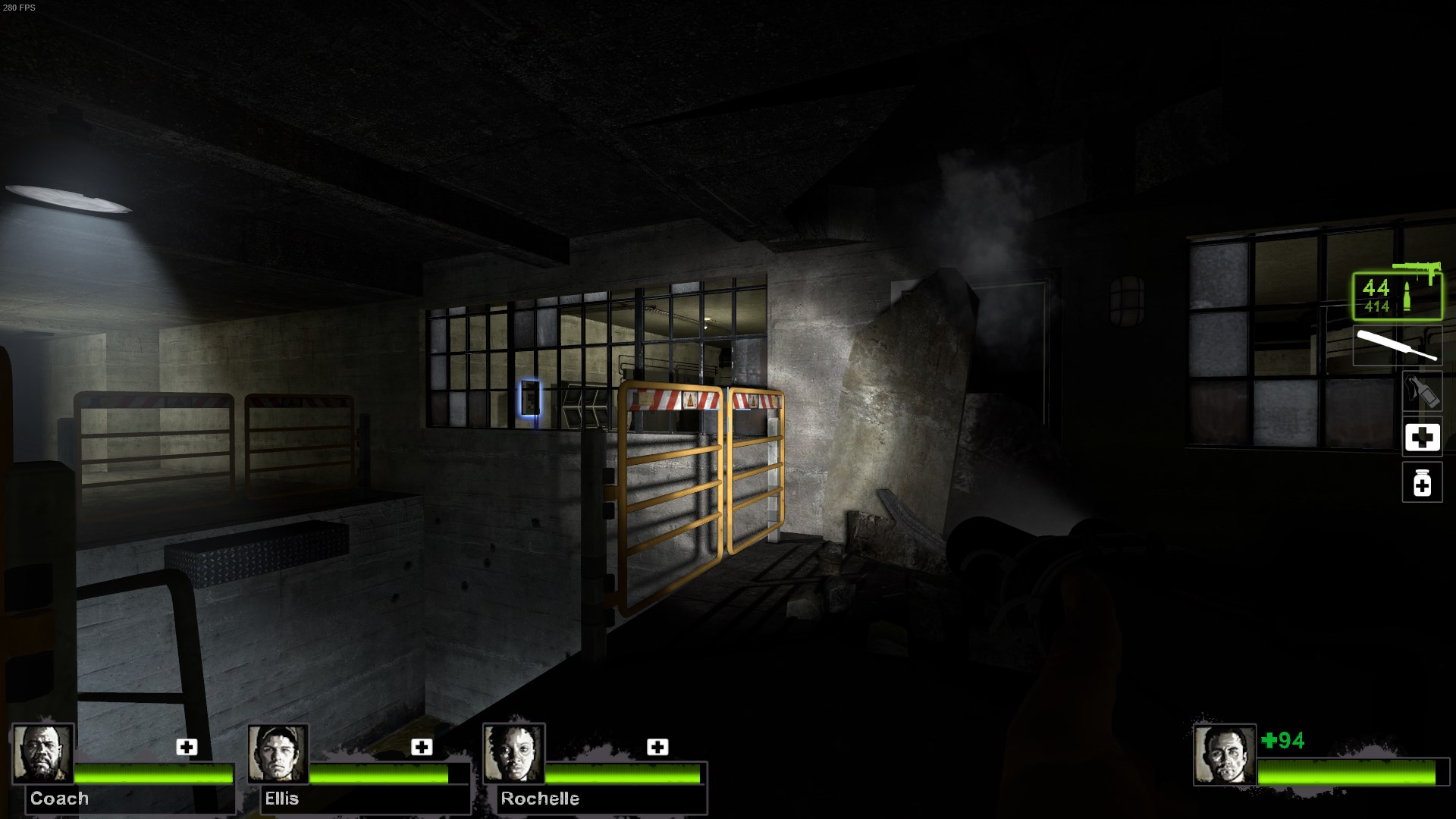
The sewer section starts after the end of the maze. It consists of small narrow hallways and wide spacious rooms. In this space, I created a situation where the switch needed to create a bridge is in a sealed-off room that the player can see through a window. To activate the switch, players need to go into an alternate path through a huge empty room. This space should make the players suspicious as all the other rooms before were small, compact, and had zombies. As the players flip the switch and backtrack, this wide-open space becomes a makeshift arena for the survivors to fight off a zombie horde and tank.
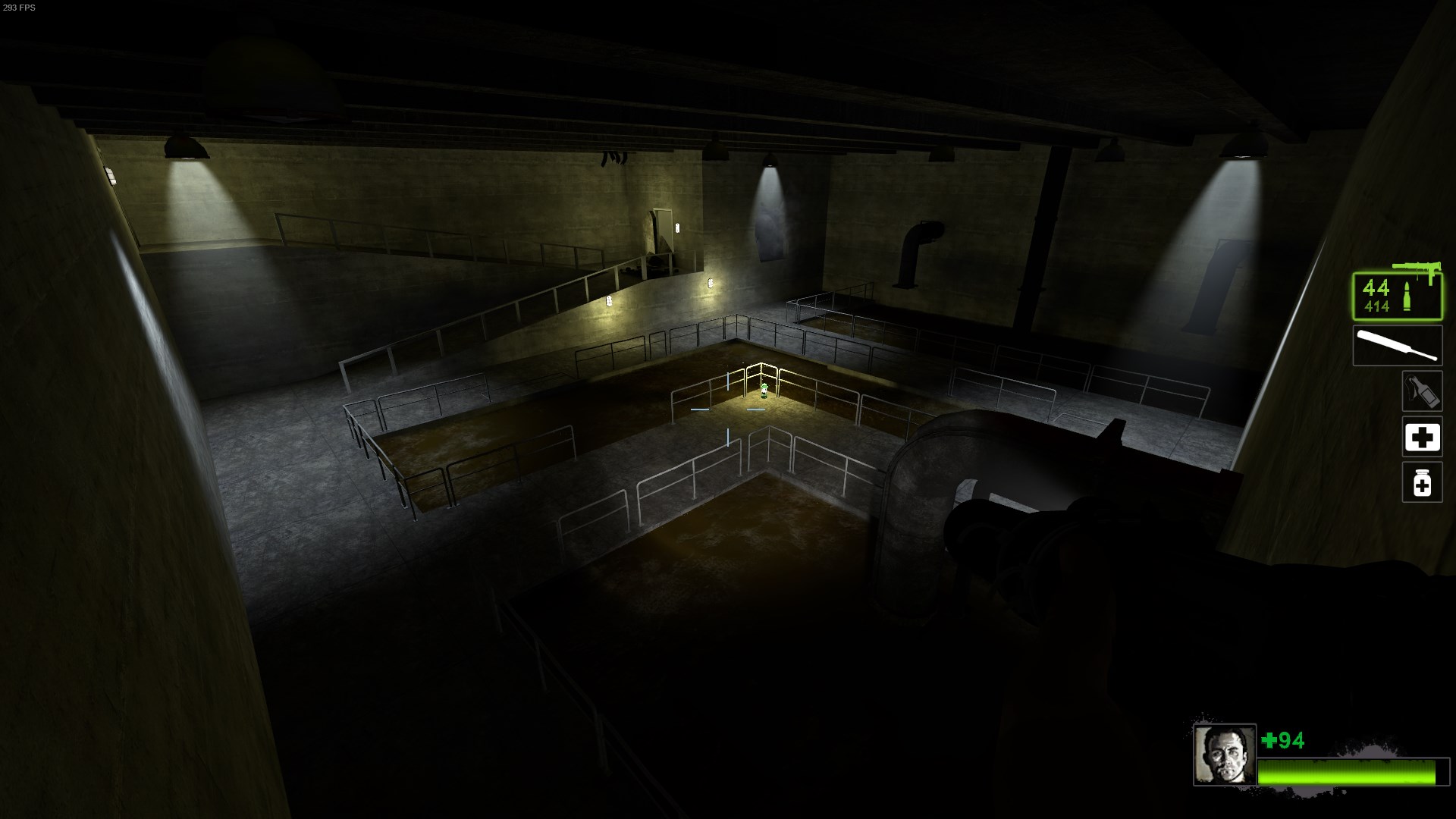
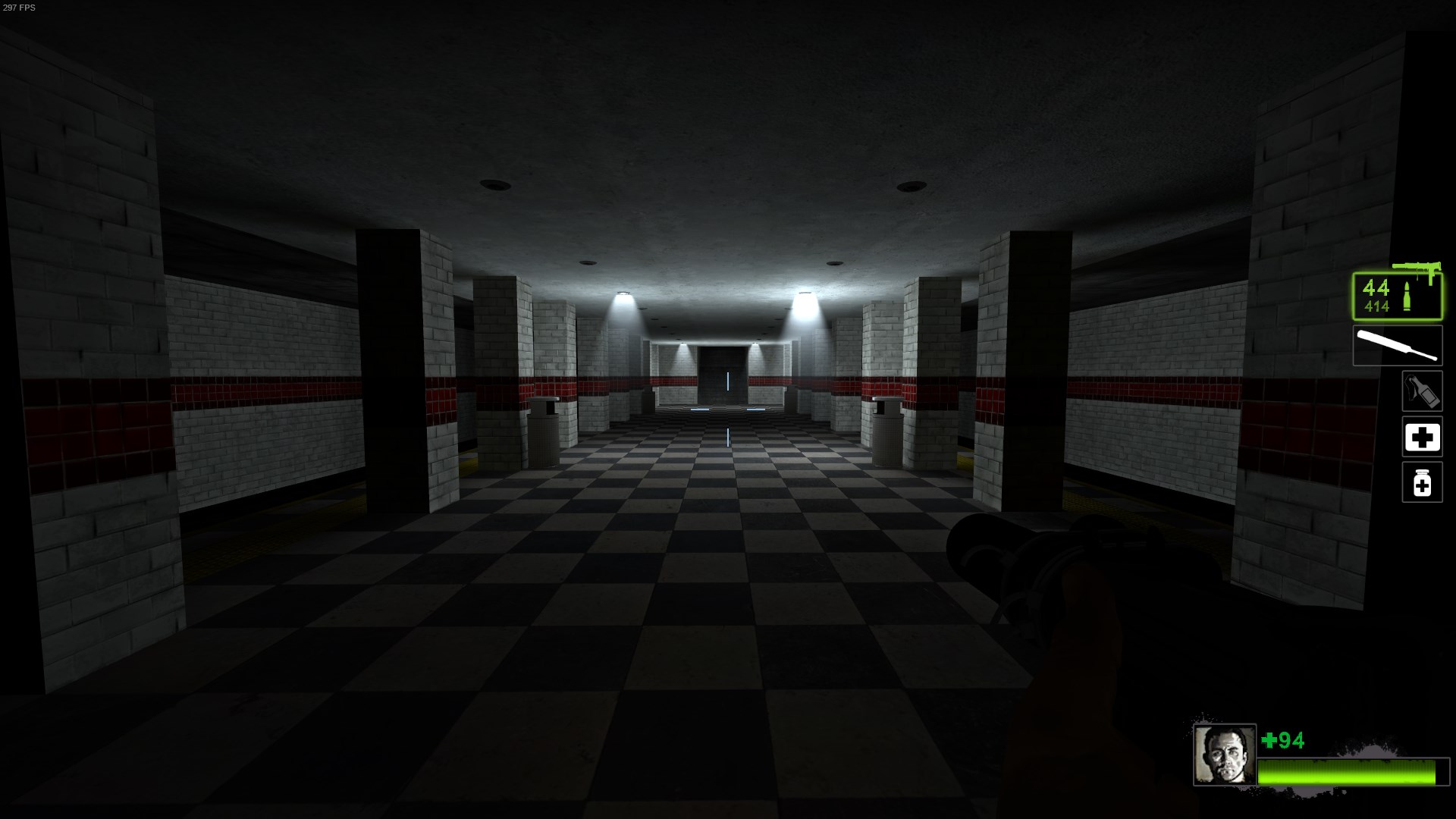
Going forward, the survivors would make their way out of the sewers and into a small ruined subway station. The survivors would quickly exit out the subway station and into a safe room within the city.
Afterthoughts
Although I knew, I still realize that I still have much to learn. When I first started creating the map, I didn’t have a layout and was worried that I might be an issue later on. After talking to other level designers, I realize that not having a layout is okay, but you still need a plan. Many other people plan out in different ways, one way that stuck out to me was to make a bubble diagram. This bubble diagram would have connections between different spaces for flow. With that said, I think starting with a layout and maybe even a level design document would have helped me finish this project faster.
There were issues in lighting that I didn’t realize with the source engine. One issue was not getting the correct shading or lighting on a prop. To be more specific, when I placed a light or spotlight entity facing a prop, the face away from the light was lit up. To fix this, I had to use an entity called “info_lighting”. This entity would replace the prop’s lighting origin and the prop would light up based on where you place this entity.
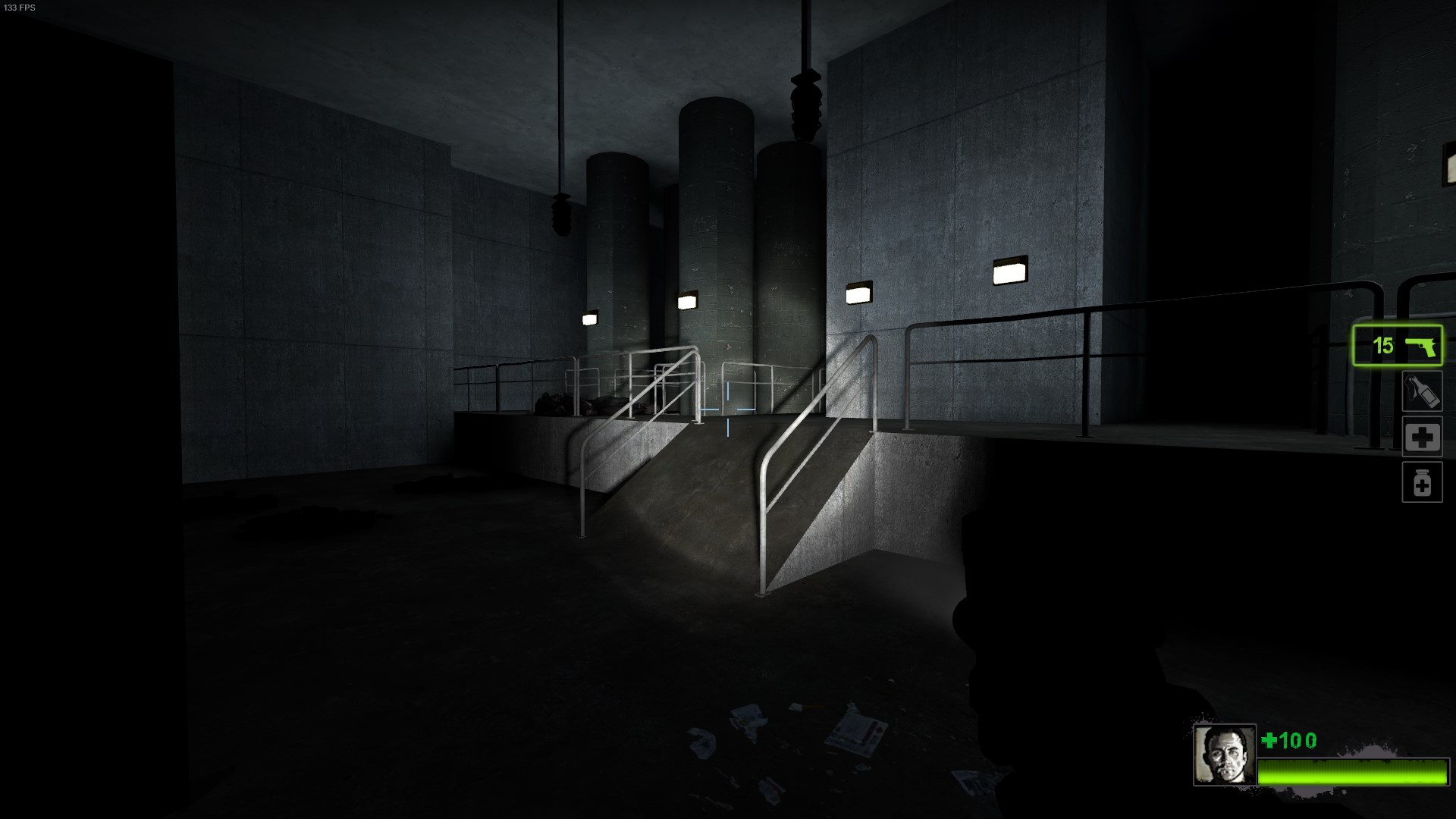
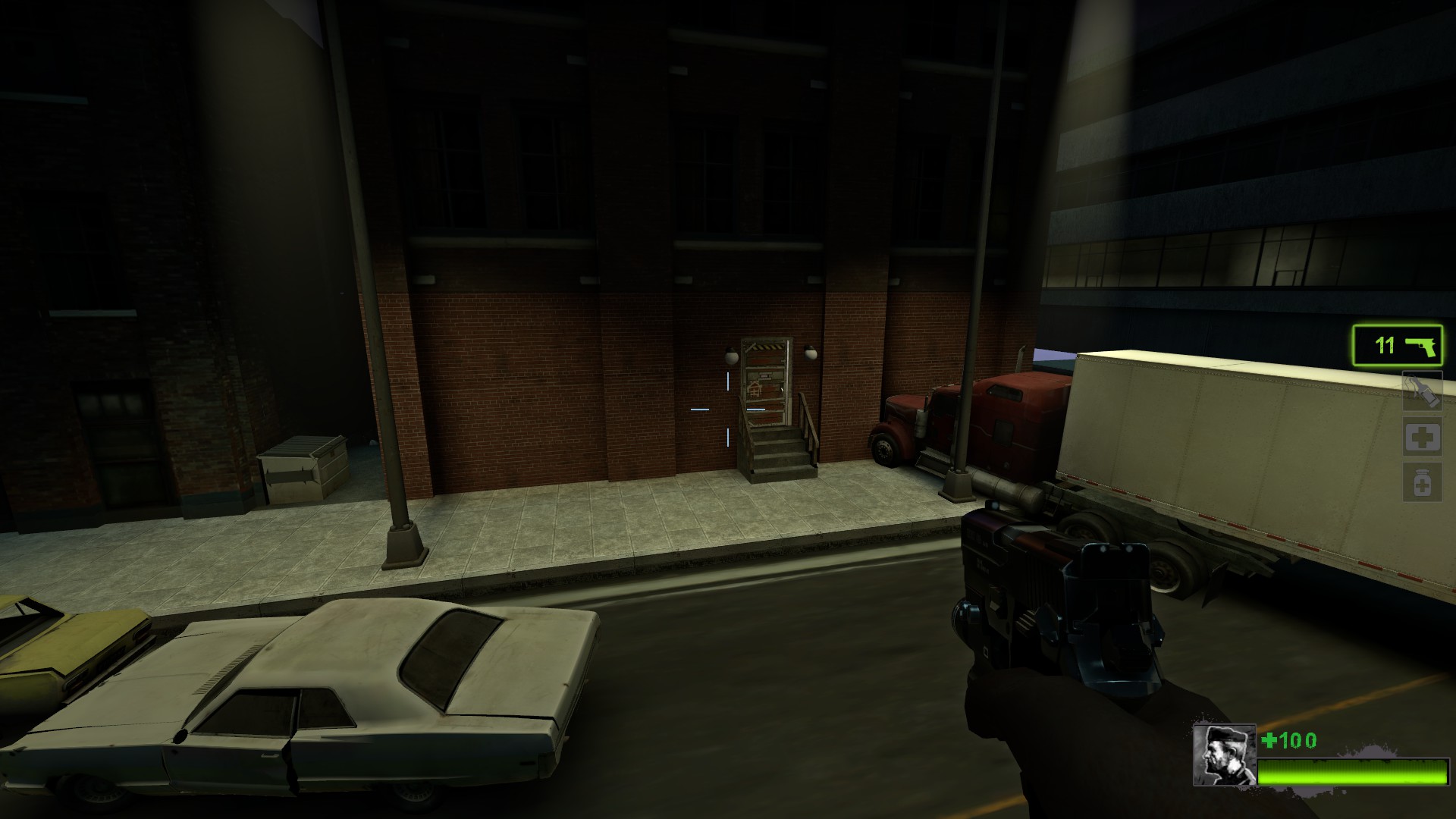
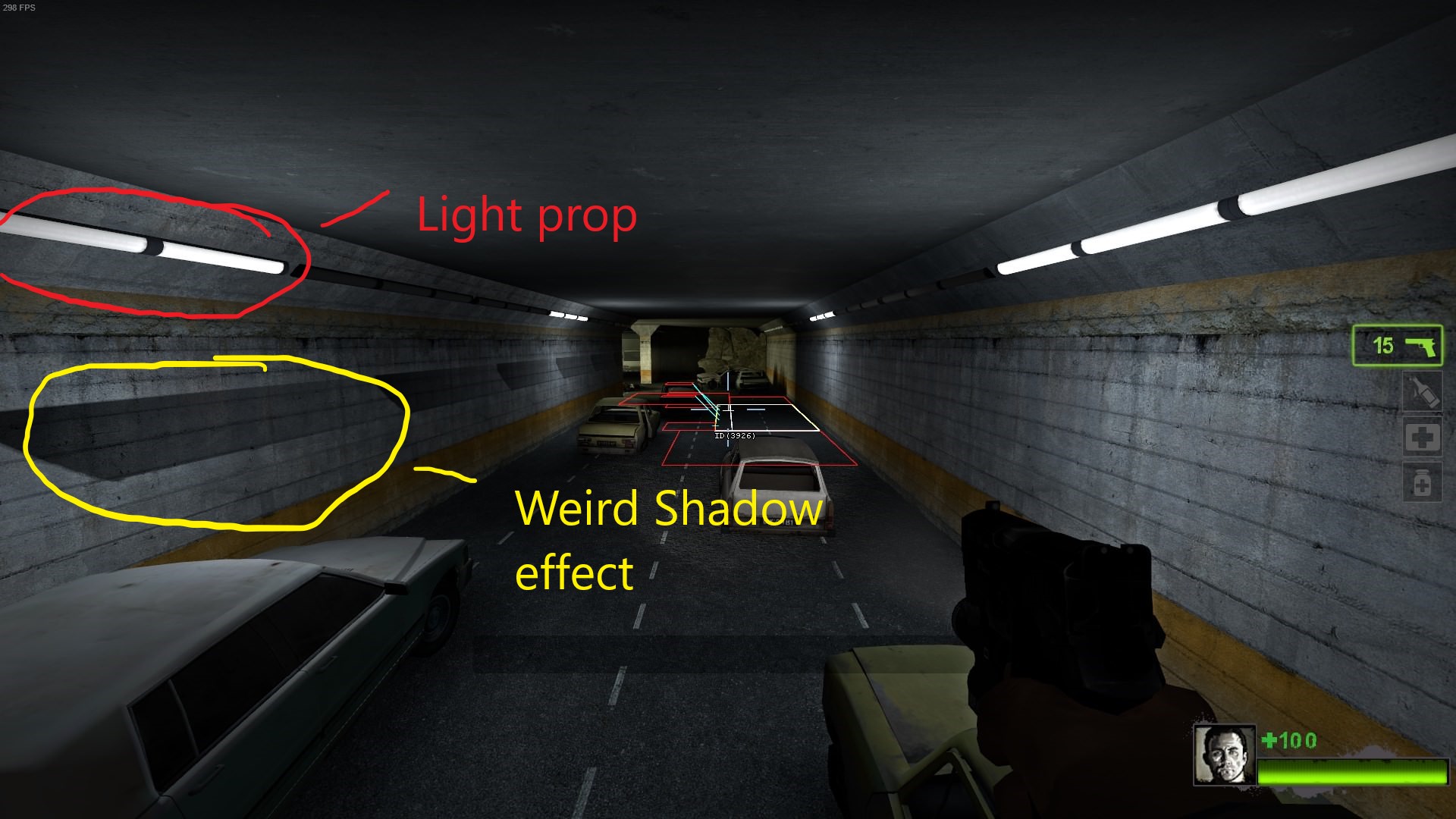
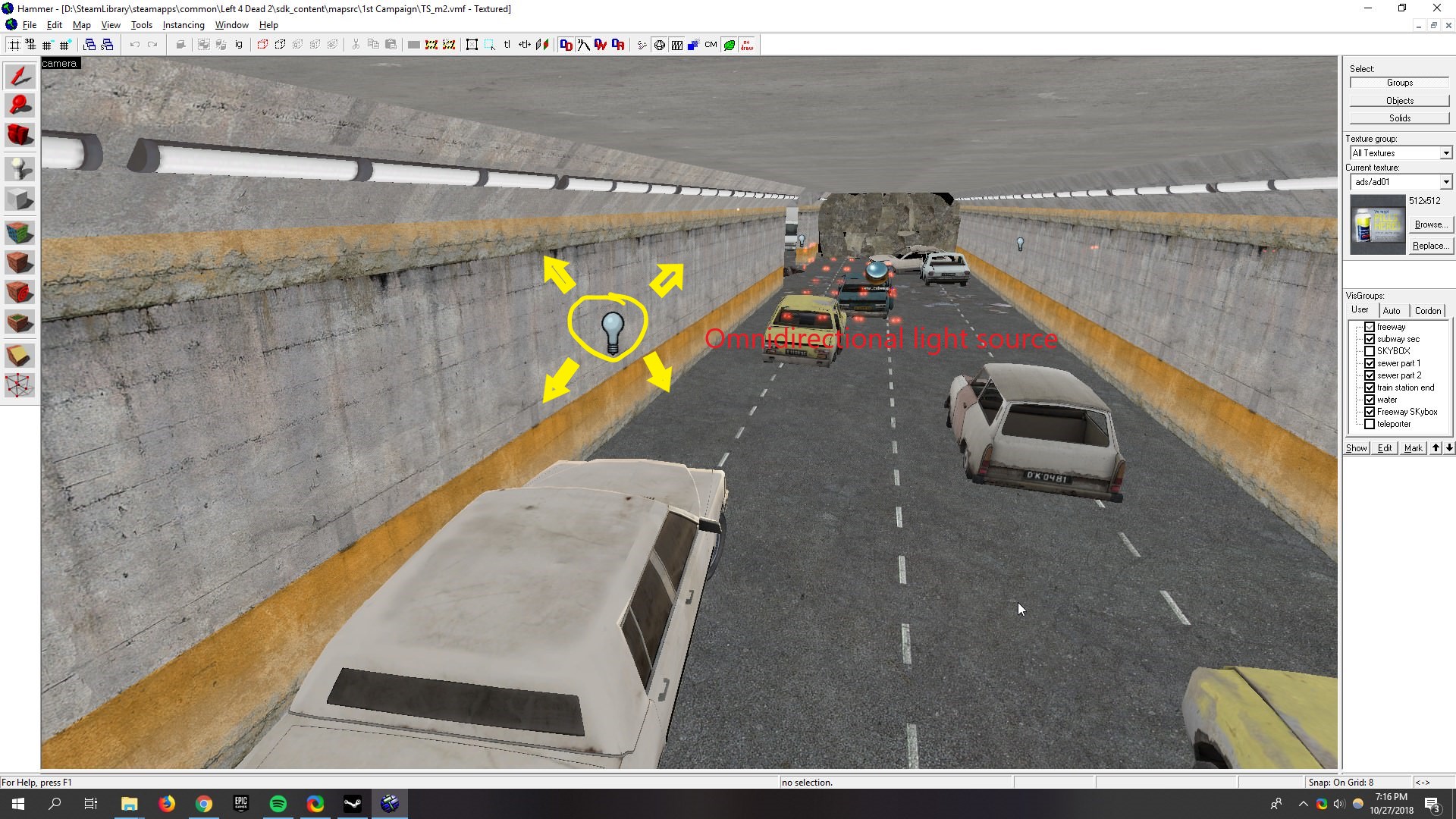
Another issue with lighting was a prop’s shadow would appear in awkward angles. For example, these pictures show a weird shadow on the wall. The shadow comes from the light prop at the top area of the wall but the light entity somehow produces this oddly angled shadow onto the wall. The only solution was to disable shadows on the light prop.
Having worked on my Mall Survival map before, I had to switch mindset from designing a survival map to a linear campaign map. In my survival map, I had to establish a single-themed area where the survivors can use routes that were circular and allowed for multiple ways to outrun the zombies. Whereas this map, I had three themes in mind and each having a different type of space between them. The issue was that there were too many different themes on one level. While they did not clash with each other, it made the level a bit too long to make and for the player to complete. A “normal” campaign map takes around five to seven minutes to complete while this map takes around seven to nine minutes to complete. I’m sure that with proper planning this is an easy issue to resolve.
Another difficulty I had was how to constantly keep making engaging spaces for the players to experience. In my survival map, I had to make spaces that are “reusable” and is constantly being used within a zombie attack event. But in a linear level, the player has no reason to backtrack at all and must have downtimes between all the action beats. I also need to give the players the impression that they are making progress towards the city. This meant that I have to create terrain that isn’t always just “go straight” and would have to space out events for downtime. I found that creating more twists and turns along with the different arrangement of props can go a long way for creating interesting spaces.
In the official Left 4 Dead 2 campaigns, I’ve noticed that many of the panic events are used as transitions between different types of spaces. For example, at the beginning of Swamp Fever, Valve uses an event where players have to wait for a pulley to come to carry them across a river. After carrying them across the river, the spaces changes from a small village on dry ground to a wide wet swamp. After some thought and research, I think the best approach for me is to create a level design document, plan out the action and rest beats, and create a layout for the level.

 Jimmy Lu